Our classrooms
Julia Day Nursery has three classrooms, each staffed to go beyond state requirements. Every classroom has a lead teacher with a bachelor’s degree, plus an additional teacher on top of state-required ratios. That means more hands, more eyes, and more one-on-one attention, so every child’s individual needs and pace of learning are met.
Sunflowers
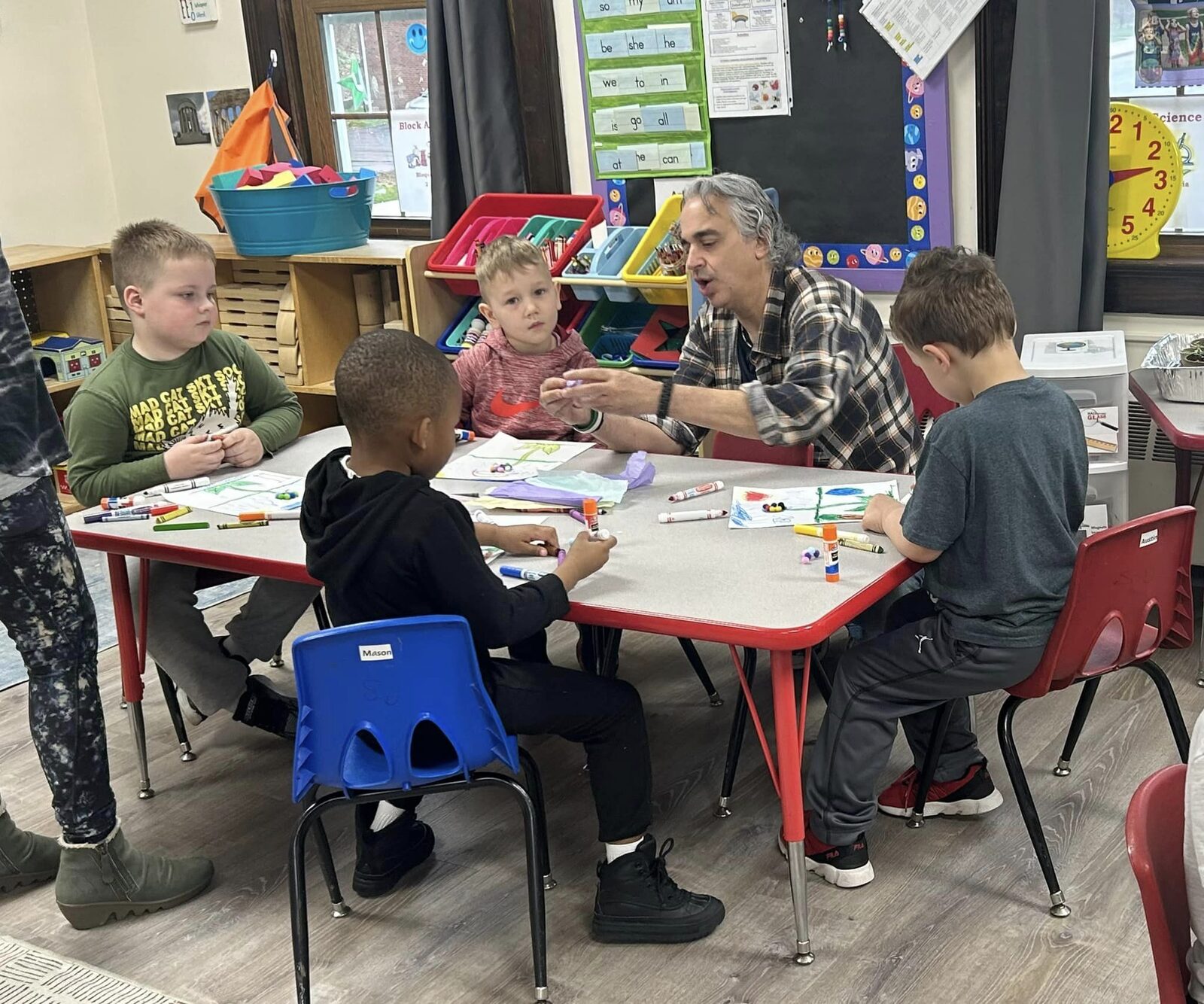
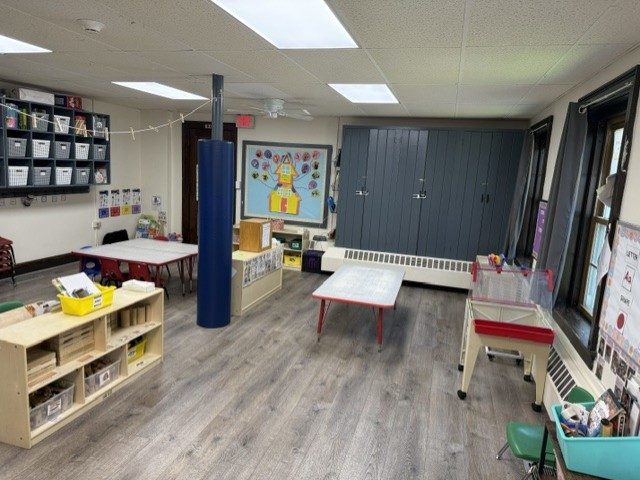
Our preschool room for threes and fours, where routines, friendships and early literacy take root.
Marigolds
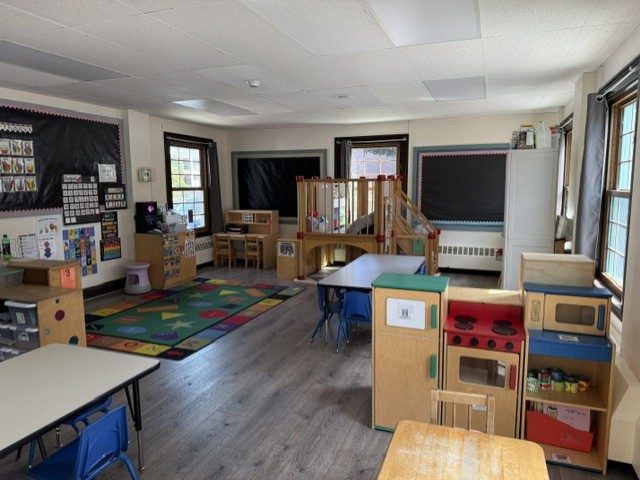
Our pre-kindergarten room for fours and fives, preparing children for a confident first day of school.
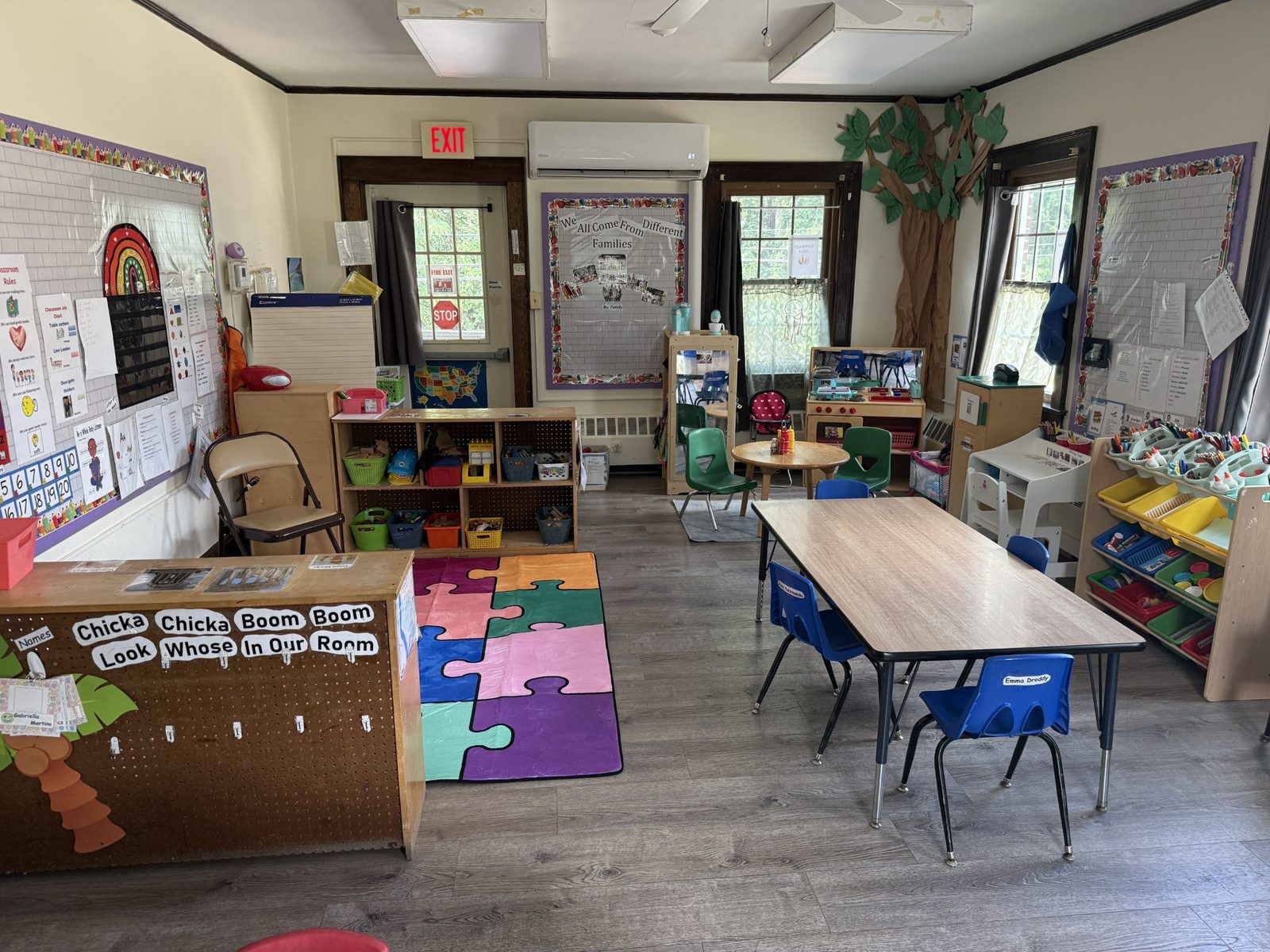
Snapdragons
Before and after school care for children in kindergarten through grade two at Prendergast and Mead.
How children learn here
Our curriculum
We follow the Connecticut Early Learning and Development Standards (CT ELDS), the state’s framework for what children should know and be able to do from birth through kindergarten entry. Teachers use ongoing observation to track each child’s progress and shape learning to fit where that child actually is, not a one-size-fits-all lesson plan.
Play-based learning
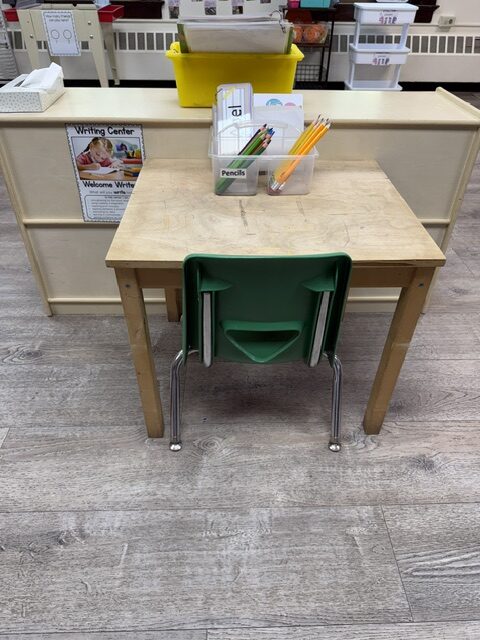
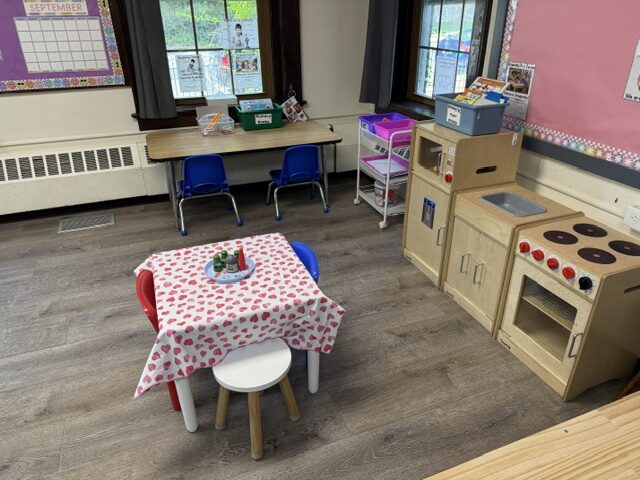
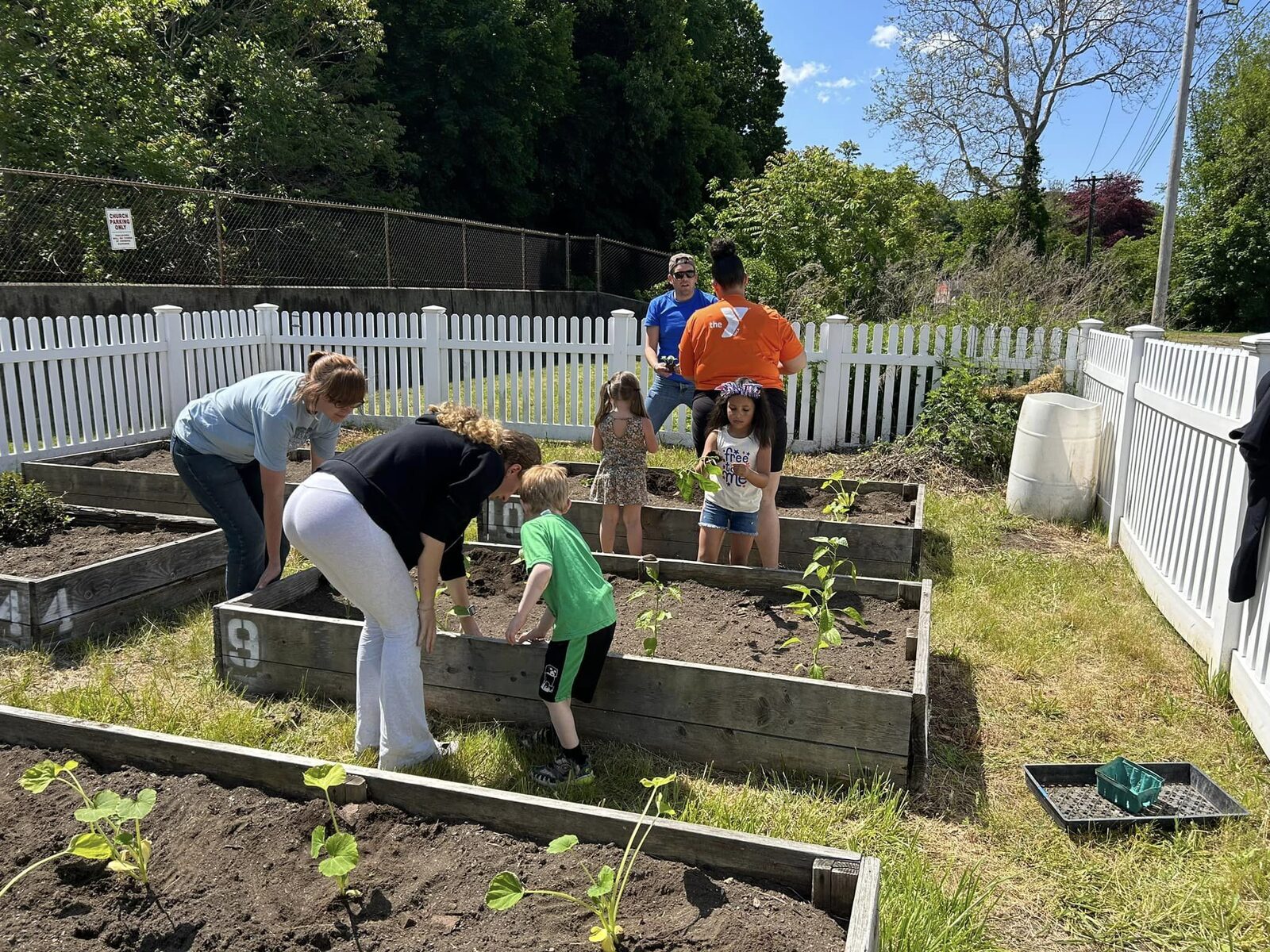
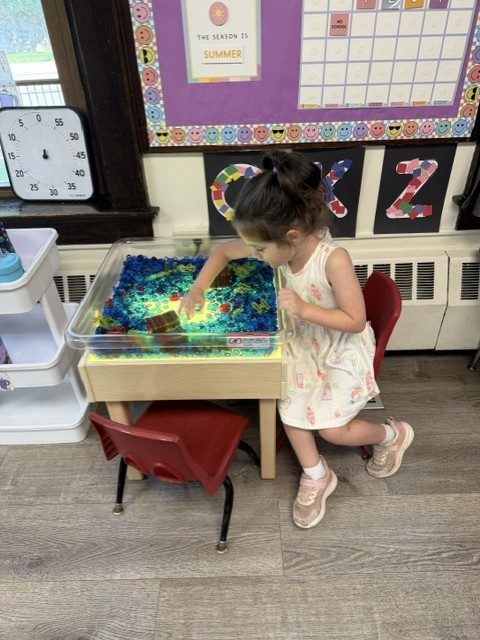
Our classrooms are built around play-based learning, because for young children, play is how learning happens. When a child builds a block tower, they’re practicing math and physics. When they play pretend with friends, they’re building language and problem-solving skills. When they pour, stack, or dig, they’re developing focus and control. Our teachers guide this play with intention, using everyday moments to build real skills in language, thinking, and social development.
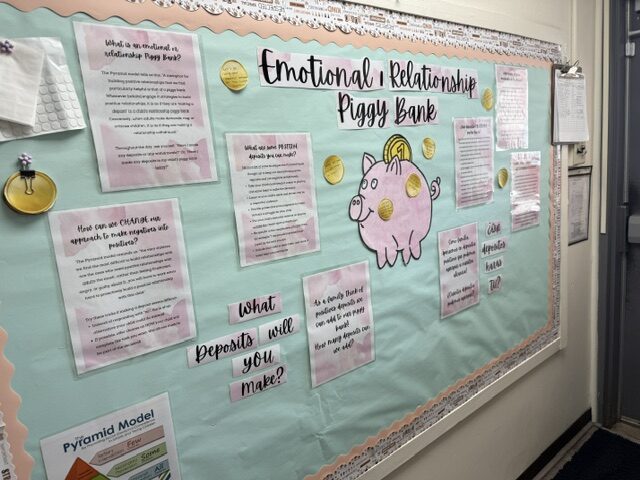
Social-emotional learning: the Pyramid Model
We use the Pyramid Model, a national framework for supporting young children’s social and emotional growth. It helps children build skills like managing emotions, making friends, and solving problems, while giving teachers clear, consistent strategies to prevent and respond to challenging behavior.
A typical day
Every classroom follows the same rhythm from breakfast to pick-up: open centers, circle time, outdoor play twice a day, and a real rest in the middle.
| Time | What is happening |
|---|---|
| 6:45–8:45 a.m. | Free play. Centers are open for exploration and child-directed play. |
| 8:45–9:00 | Morning work. Children review what was learned the day before and have small conversations with the teacher. |
| 9:00–9:30 | Breakfast |
| 9:35–9:45 | Bathrooms |
| 9:45–9:55 | Music and movement |
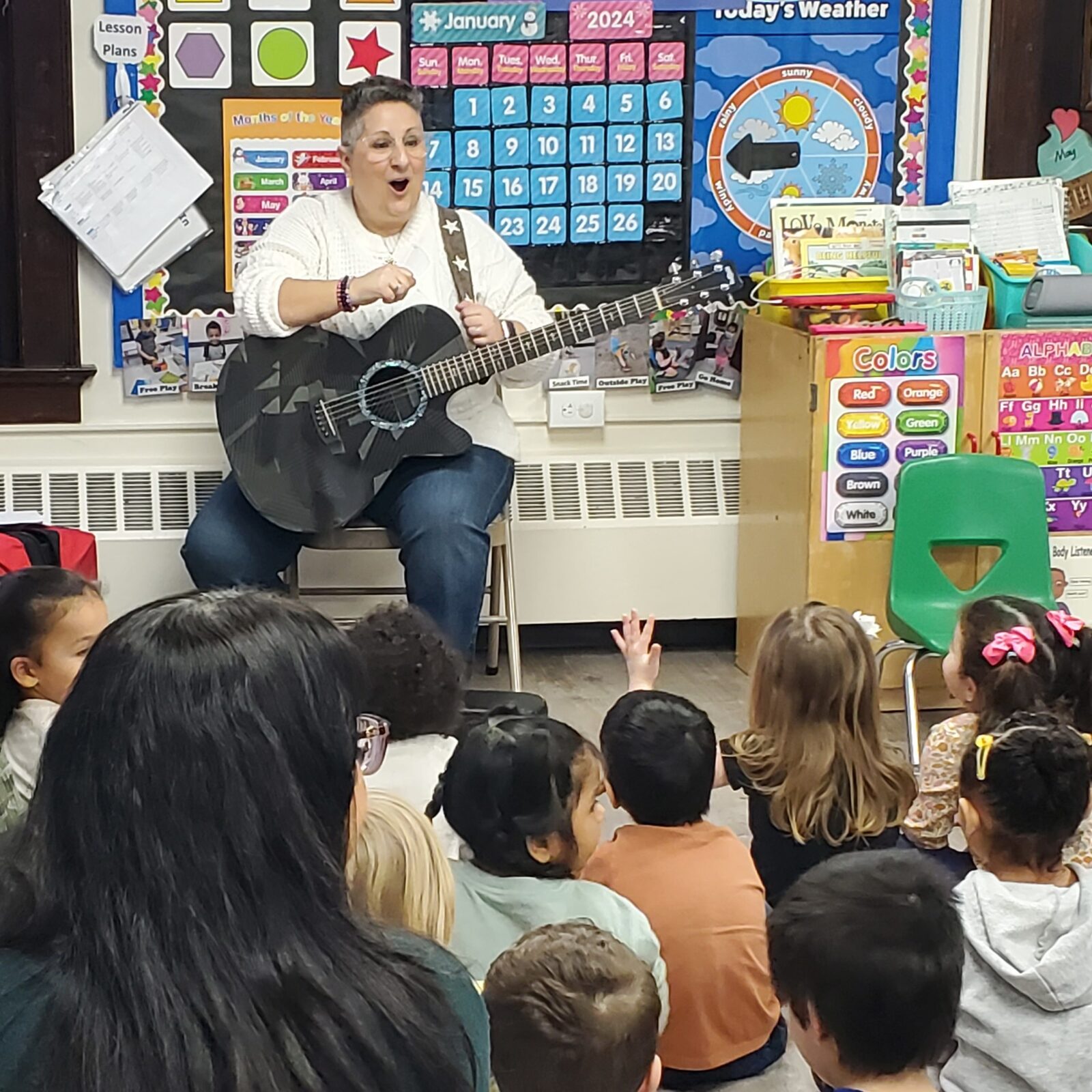
| 9:55–10:10 | Morning circle. Children go over the calendar, the weather, and the letter, number, color and shape of the week, listen to stories, and go over a mini thematic lesson. |
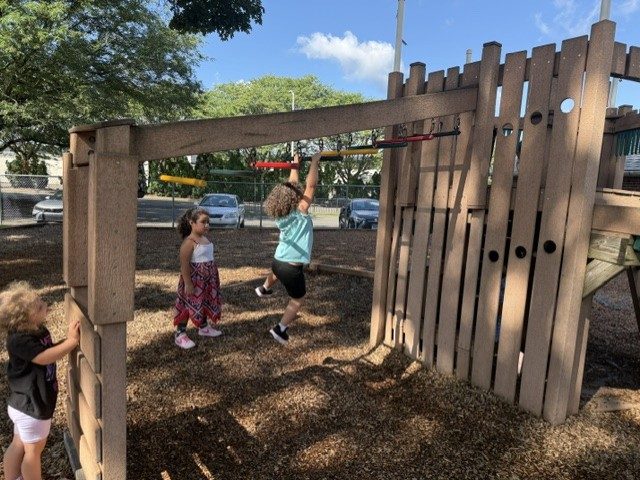
| 10:15–11:00 | Outdoor play and gross motor activities |
| 11:00–11:50 | Center time. Children play in the centers they choose: math concepts, fine motor toys, writing, art activities, dramatic play, science exploration, library, and block building. |
| 11:50–12:00 | Morning wrap-up |
| 12:00–12:30 p.m. | Lunch |
| 12:30–12:45 | Bathrooms and the transition to nap and rest time |
| 1:00–2:30 | Nap and rest time |
| 2:30–2:45 | Wake up and bathrooms |
| 2:45–3:10 | Snack time |
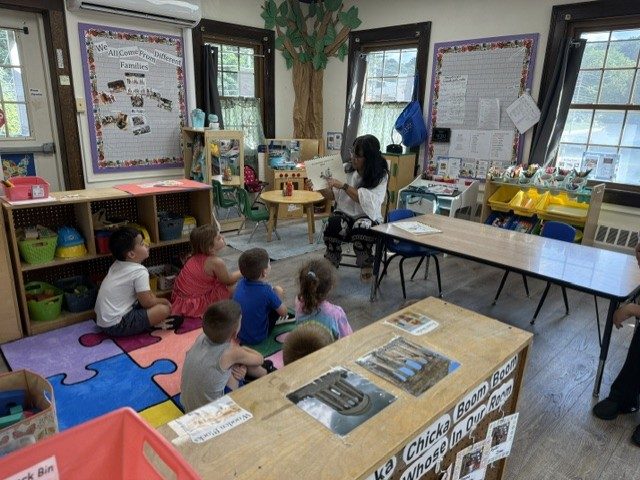
| 3:10–3:30 | Afternoon circle. Children listen to stories, work on large-group thematic games, and review the lessons of the day. |
| 3:30–4:00 | Outdoor play and gross motor activities |
| 4:00–5:30 | Free play. All centers open for exploration and child-directed play until pick-up. |
All activities are subject to change.
What we’re learning right now
This month’s unit of study, sample lesson plans for each room, and the menu are on their own page, updated through the year.